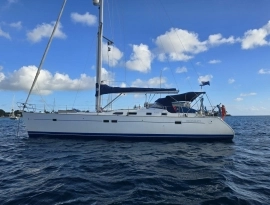
In the quaint French fishing village of Saint-Gilles-Croix-de-Vie, nestled along the Vendée coast, a maritime dynasty was born in 1884. Benjamin Bénéteau, a visionary shipwright who had apprenticed on luggers as a boy, founded his boatyard to craft swift sailing trawlers. These wooden vessels were engineered for speed, allowing fishermen to outpace rivals and fetch premium prices for their catch in port.
Benjamin's early innovation—integrating combustion engines into trawlers by 1908—marked the dawn of motorized fishing boats, revolutionizing the industry.
The 20th century tested this resilience. World War I halted production, and the Spanish flu struck founder Benjamin fatally in 1921. His son, André Bénéteau, revived the enterprise in 1928, steering it through economic storms and World War II's disruptions.
By the 1960s, however, the French fishing sector faced decline, and the yard teetered on bankruptcy. Enter the third generation: siblings Annette Bénéteau Roux and André Bénéteau. At just 21, Annette assumed leadership, defying gender norms in a male-dominated trade. With her brother's design prowess, they pivoted boldly to leisure boating, embracing fiberglass—a lightweight, durable material poised to transform yacht construction.
Their gamble paid off spectacularly. In 1965, at the Paris Boat Show, Beneteau unveiled its inaugural fiberglass line. Annette's keen eye for marketing built a dealer network across Brittany and beyond, while André's innovations expanded into recreational cruising.