
Five of the best cruising grounds in the Mediterranean

The Mediterranean is not one cruising experience. It is a collection of coastlines with different rhythms: a Greek village appearing beyond a headland, a Croatian waterfront turning gold at dinner, Sardinian granite above startling blue water, a Balearic harbour humming with sailing life, or a Turkish bay inviting everyone to stay another night. The pleasure comes from finding the setting that matches the people aboard. A magnificent destination can still be the wrong choice if its distances, atmosphere or daily demands do not suit the holiday you want.
For Boats On The Market, these five selections balance landscape, variety, shoreside interest and the quality of time spent afloat. They are the southern Ionian Islands, central Dalmatia, northeast Sardinia and La Maddalena, the Balearic Islands, and the Göcek–Fethiye coast. The order is geographical and editorial, rather than a claim that one country wins. Each offers a different answer to the same question: where can a boat become the best way to experience a place? This is a destination feature, with planning principles and official references, rather than a pilot book or a report of a voyage we personally completed.
Five places, five different holidays
An editorial selection based on landscape, variety, shoreside interest and time aboard. Choose one region to enjoy; this is not a route linking all five.
Choosing a cruising ground, rather than collecting destinations
A cruising ground is more than a famous beach. It is the relationship between possible departures, attractive stops, places to spend a night and reasons to go ashore. The best areas offer enough variety to change your mind without feeling that the holiday has failed. That might mean replacing a longer passage with a slow lunch, exchanging an anchorage for a harbour evening, or spending another day somewhere unexpectedly appealing. Flexibility is part of the experience you are buying, whether the boat is yours or chartered.
Our selection favours areas with a recognisable character and several ways to enjoy it. We considered how landscape changes during a trip, how naturally shore visits complement boating, and whether the region supports a coherent holiday without demanding that every headline attraction be included. These are editorial judgements, not measured scores. The five choices deliberately include both island chains and a coastal gulf, so readers can compare different styles of cruising instead of five variations on the same photograph.
Start with the crew before choosing the boat or base. Some people want actual sailing time; others imagine swimming, reading and a different waterfront each evening. Children, visiting friends and occasional sailors may all value a different pace. Agreeing those priorities is more useful than arguing about which island is objectively prettiest. Once the desired day is clear, the right cruising ground becomes easier to identify, and its compromises become easier to accept. You can then select a manageable part of the region, rather than treating a whole archipelago as a compulsory itinerary.
Find the experience that fits your crew
| Cruising area | Editorial strength | A useful priority |
|---|---|---|
| Southern Ionian · Greece | Village stops and a relaxed island rhythm | Allow time for swimming and life aboard |
| Central Dalmatia · Croatia | Variety between islands and towns | Select a compact area instead of collecting stops |
| Northeast Sardinia · Italy | Granite landscapes and La Maddalena | Plan around the protected environment |
| Balearic Islands · Spain | Several distinct island personalities | Choose the island and passage-making style |
| Göcek–Fethiye · Türkiye | Bay-focused cruising and shared time aboard | Match the vessel and service to the group |
01 · Southern Ionian Islands, Greece: for an unhurried island rhythm
The southern Ionian is our choice for a holiday built around the pleasure of repeated small discoveries. Focus on the island world around Lefkada, Meganisi, Ithaca and Kefalonia rather than trying to cover every Ionian island. Official Greek tourism material highlights Meganisi’s indented coast, green slopes and villages, while the municipality of Ithaca presents an island connected to neighbouring cruising destinations. Together they suggest a setting where the boat can be both transport and home, with shore visits forming a natural part of the journey.
The visual character matters. Green land and pale coastal rock create a different impression from the stark island silhouettes many travellers associate with Greece. Meganisi’s settlements, including Vathy and Spartochori, give the landscape a human scale. Ithaca adds names that invite slower exploration, such as Vathy and Kioni. These are places to research and discuss with a local base, not a sequence that every crew should follow. The appeal is the possibility of combining an island waterfront with the quieter business of simply being aboard.
Imagine a day organised around one meaningful move rather than several targets. Breakfast can belong to the place where you slept, the passage can receive proper attention, and the afternoon can remain open. That approach suits a crew who wants the holiday to feel spacious even when its calendar is short. It also makes room for different interests: somebody can care about the sailing while somebody else anticipates a swim or a village walk. The destination works best when those interests are allowed to coexist.
Lefkada is a logical area to investigate for the beginning and end of a trip, with regional tourism sources identifying its established sailing infrastructure. The editorial advantage of a well-chosen base is practical: provisioning, handover and the first conversation about local conditions can happen before the holiday acquires momentum. A good start also includes an honest discussion of the crew’s experience. For newcomers, the quality of a skipper or local support matters more than a reassuring label attached to an entire sea.
The Ionian’s relaxed reputation should not be mistaken for a promise about a particular week. A useful plan considers the forecast, the exposure of each stop and the return to base, rather than assuming that a familiar summer photograph describes tomorrow. This does not diminish the area’s appeal. It makes the experience more realistic: choose your day’s ambition according to conditions and keep an attractive alternative within the programme. The freedom to simplify is one of the strongest reasons to choose a compact cruising area.
Ashore, give yourself permission to do less. A waterfront meal, a walk through a settlement and time to watch the harbour can be enough. The region does not need to be turned into a series of timed excursions to justify the trip. For couples and families, this can be the difference between a holiday on a boat and a holiday spent managing a boat. Both involve seamanship, but only one leaves enough room for everyone to remember why they wanted to come.
Choose the southern Ionian if your ideal Mediterranean is green, sociable and gently exploratory. It is particularly appealing when the crew values village stops and swimming alongside sailing, and when nobody needs each day to produce a dramatic new achievement. The essential compromise is accepting that popular places remain popular, and that tranquillity is something to build into the timing and choice of stops. Its strongest reward is not a single spectacle. It is the feeling that several different days have settled into a shared, comfortable rhythm.
An enjoyable detail of planning this area is learning the names carefully. Vathy appears in both the Meganisi and Ithaca story, so keep island and settlement together when discussing the holiday. This is a small example of a wider pleasure: the islands become individual places rather than interchangeable stops. Give the crew a simple shared picture of the chosen area before departure, with a few reasons to visit each place. That makes decisions easier when different people propose different priorities. It also allows someone less interested in navigation to take part in shaping the trip through curiosity about a village, landscape or evening ashore.
Visit Greece · Meganisi
Municipality of Ithaca · Sailing and yachting
Lefkada · Sailing
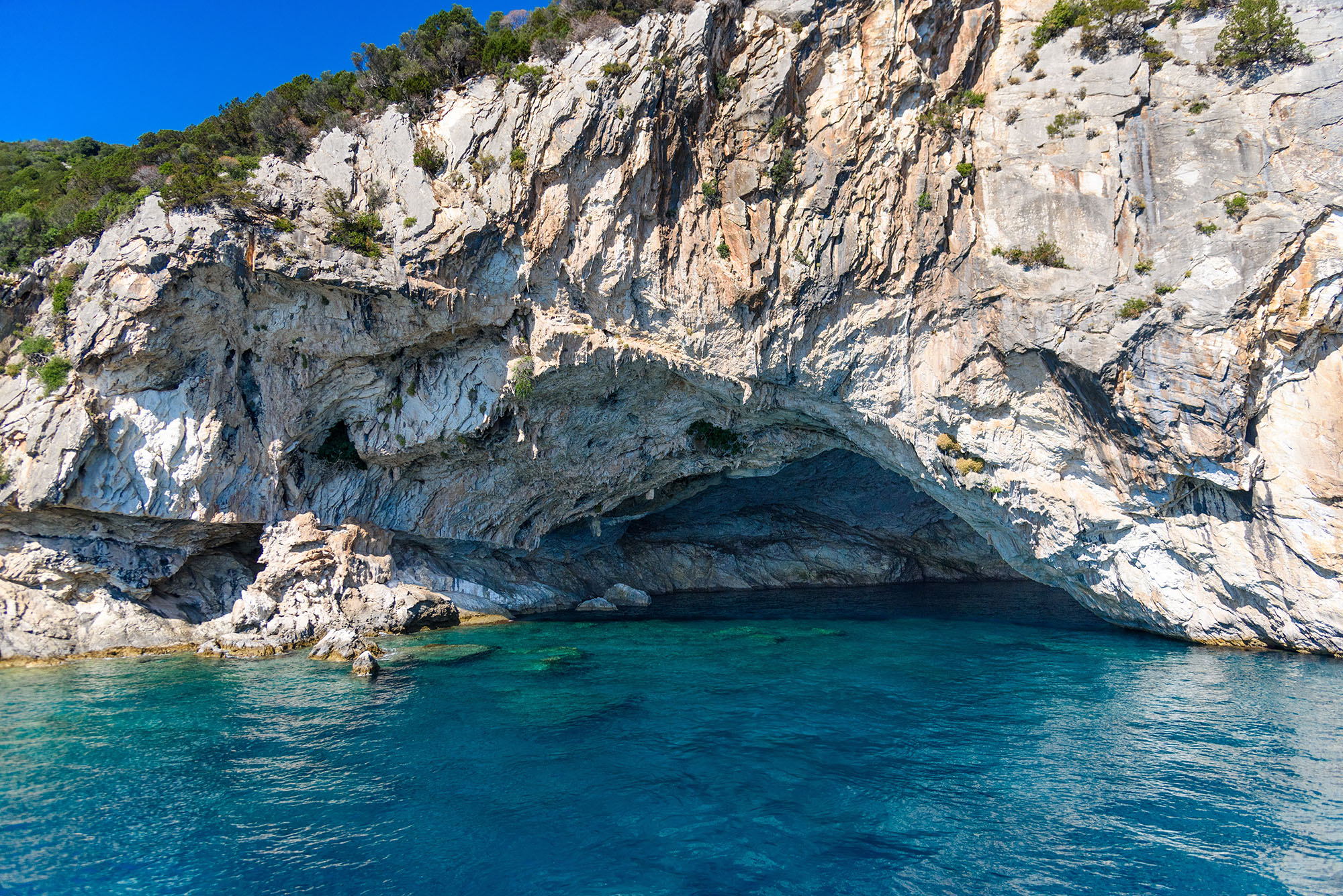
02 · Central Dalmatia, Croatia: for island variety and life ashore
Central Dalmatia earns its place through contrast. Around a programme centred on Split, Hvar and Vis, a cruising holiday can connect island landscapes with towns that deserve attention after the lines are secured. The official Hvar tourism board presents both the historic waterfront and the nearby Pakleni Islands, while the Vis tourism board highlights its bays, settlements and cultural attractions. The appeal is that the boat does not separate the beach holiday from the town holiday. It links the two into one experience.
Hvar is useful precisely because it offers more than one mood. Its town brings waterfront activity and architecture; the Pakleni island group provides a different setting close to the same broader destination. You do not have to choose between enjoying a lively place and wanting quieter time aboard for the rest of the holiday. Instead, make that contrast intentional. An evening ashore feels better when it is one chosen part of the programme, rather than the automatic outcome of following the busiest name on the chart.
Vis adds another layer. Its official tourism material makes room for the island’s interior, beaches, wine routes and history, so a visit can become more than a brief coastal photograph. For a crew who enjoys stepping ashore, that matters. A cruising ground becomes richer when an extra night has a reason beyond convenience. You might choose to spend time exploring a settlement or arranging an inland visit rather than immediately searching for the next bay. That is a use of the boat’s freedom, not a failure to keep moving.
Split and the surrounding mainland coast deserve consideration as possible starting areas, with the precise base selected for the boat, transfer arrangements and intended sailing programme. The correct question is not simply which airport is closest on a map. Ask how arrival time, provisioning, handover and the first night fit together. A late start can turn an ambitious opening passage into an unnecessary obligation. Designing the beginning carefully protects the rest of the holiday and allows the crew to settle into unfamiliar equipment without an artificial deadline.
The variety that makes Dalmatia attractive can also tempt visitors to overfill the week. A list containing every admired island may look impressive but leave little room for shore time, changing conditions or rest. Choose a smaller area and give each stop a role: one for a town evening, another for a quieter day, another because the crew wants to explore. Roles are more helpful than a checklist because they allow substitution. If one stop does not suit the day, another can deliver the same kind of experience.
This is also an area where the intended overnight style should shape the budget. A holiday leaning towards marinas and busy waterfronts has a different pattern from one prioritising time away from them. Request current costs and conditions from the relevant providers rather than relying on a general claim that a country is cheap or expensive. The meaningful comparison is the complete week, including berthing, services and the activities you actually want. A lower boat price does not automatically mean a lower holiday total.
Choose central Dalmatia when the crew wants several kinds of Mediterranean pleasure in the same trip: swimming, sailing, a recognisable town atmosphere and reasons to explore ashore. It is a strong editorial choice for mixed groups whose interests do not all point towards a quiet anchorage. Its compromise is the discipline required to resist collecting destinations. Give the region time to reveal its contrasts, and the result can feel more varied than a longer route that leaves no opportunity to inhabit any of its stops.
The view back from land can be as memorable as the approach by boat. Hvar’s tourism board highlights the perspective from the Fortica fortress towards the town and Pakleni Islands. For a boating holiday, that reverses the usual relationship: the water you have travelled becomes part of the landscape you are looking at. Set aside time for a shore visit because it changes the experience, not merely because it fills an afternoon. The same principle applies on Vis, where official tourism material invites exploration beyond the waterfront. A region with worthwhile inland possibilities rewards leaving the boat as well as arriving in it.
Hvar Tourist Board · Island of Hvar
Hvar Tourist Board · Is Hvar worth visiting?
Vis Tourist Board

03 · Northeast Sardinia and La Maddalena, Italy: for landscape with presence
Northeast Sardinia is our choice when the scenery itself should define the holiday. The La Maddalena archipelago brings granite forms, small islands and an exceptionally striking relationship between rock and water. Italia.it identifies islands including La Maddalena, Caprera, Spargi and Budelli within the national park setting. These names belong to a protected landscape, not an unrestricted collection of beaches. Their attraction is strongest when the trip treats the area as somewhere to understand and spend time, rather than a backdrop to consume.
The geography encourages close attention to differences. A photograph may reduce everything to turquoise, but the experience changes with the shape of the shore, the angle of the light and the way the land frames the boat. This is an appealing cruising ground for people who enjoy the simple act of looking: reading with a view, lingering over lunch or watching the shore change during a passage. The point is not to promise a perfect colour every day. It is to choose a place whose physical character rewards observation.
La Maddalena and Caprera also allow the holiday to include more than time on the water. Official tourism material connects Caprera with the Garibaldi heritage, while La Maddalena provides a settled island counterpart to the smaller coastal scenes. That mix gives the crew alternatives. A day ashore can belong to the region’s identity rather than feeling like an interruption. For travellers who want both nature and a sense of place, the archipelago offers a compelling way to connect those interests without treating them as separate holidays.
Investigate bases along the northeast Sardinian coast according to the actual boat and the area you want to explore. Palau is among the departure points identified by Italy’s tourism portal for boat excursions, but a private cruising plan has different requirements from a day trip. Consider provisioning, access to assistance, arrival logistics and the return obligation together. The best base is the one that supports your chosen scale of exploration. It is not necessarily the location with the most glamorous name or the shortest line to a favourite photograph.
The park’s official information identifies authorisations for boating activities, with access and use governed by its rules. Make those arrangements part of the trip before setting out, and check current zoning and permissions for the boat and activity concerned. We deliberately avoid reproducing a fee table that may change. The principle is more durable: permission to visit a protected area is part of experiencing it properly. A beautiful beach visible from the deck should never be interpreted as an invitation to anchor or land wherever convenient.
Exposure and weather deserve a central place in the programme. Rather than committing to a fixed circuit simply because the islands look close together, build the holiday around appropriate daily choices and local advice. That makes particular sense in a landscape whose attraction encourages people to linger. An extra day in a suitable part of the region can be more rewarding than completing a predetermined outline. The editorial recommendation is to purchase time and flexibility here, not a promise that every celebrated cove will become available to you.
Choose this part of Sardinia if the crew wants a visually distinctive boating holiday and is comfortable planning around a protected environment. It suits people who value the quality of a few memorable stops more than an extensive list of towns. The compromise is accepting that natural beauty comes with management, access limits and practical decisions. Its reward is a cruising ground that feels unmistakably itself. Even among Mediterranean destinations, the combination of granite, water and island scale gives this coastline a particularly strong presence in the imagination.
It also helps to distinguish the archipelago’s lived places from its more remote visual icons. La Maddalena is not simply the name of a beautiful stretch of water; it is an island and a town within a wider group. Caprera contributes another identity through its landscape and historical associations. Learning those differences makes a shorter visit more satisfying. Instead of asking only where the water looks brightest, ask what kind of day each place would offer the crew. The answer might be a walk, a cultural visit, a meal or time observing the coastline from the boat without another planned activity.
Italia.it · Parco Nazionale della Maddalena
La Maddalena National Park · Access and authorisations
04 · The Balearic Islands, Spain: for several cruising personalities
The Balearics deserve inclusion because they offer variety at both the regional and the island scale. Mallorca, Menorca, Ibiza and Formentera are not interchangeable versions of a beach holiday. The official tourism authority presents an established nautical setting, including harbours, yacht clubs and marine services. For the cruiser, the attraction is choice: a trip can place more emphasis on a substantial island, on a particular coastal area, or on a carefully selected connection between neighbours. The first decision should be how much variety the available time can comfortably hold.
Mallorca is worth considering when the crew wants a broad range of shoreside interests alongside boating. Menorca can appeal to a different version of island time, while Ibiza and Formentera invite their own balance of waterfront life and coastal scenery. These are editorial starting points, not promises about crowd levels or conditions. The useful exercise is to select the experience you want, then choose the island and base that support it. Trying to include all four simply because they share an archipelago can turn variety into a logistical burden.
A Balearic holiday also benefits from distinguishing a genuine cruising day from a transfer day. Moving between islands is not the same as shifting to the next nearby bay. The route, conditions and crew should determine which connections belong in the trip. This is especially relevant when people imagine long afternoons swimming but book a programme dominated by passages. There is nothing wrong with a sailing-focused holiday. The disappointment comes when the plan and the imagined experience describe different things, and nobody discovers the mismatch until everyone is aboard.
The islands’ nautical infrastructure can be an advantage for owners as well as charter crews. Access to services, supplies and a workable base can make a region attractive beyond a single holiday. But useful infrastructure is specific: investigate what the selected location provides for your boat, dates and requirements. Do not assume that an archipelago’s reputation means every harbour offers the same facilities. The most valuable enquiry is concrete, explaining the boat and the assistance required, rather than asking whether the destination is generally well equipped.
Environmental planning is particularly visible in the Balearics. The regional government identifies protection for Posidonia oceanica and restrictions on anchoring over its meadows. The lesson for a cruising holiday is straightforward: attractive water is also habitat. Use current official information to identify permitted arrangements, and make the protection of the seabed part of choosing where to spend the day. Clear water can help visitors appreciate what is below the surface; it should not become a reason to treat the bottom as an empty parking space.
Cabrera illustrates why a headline destination needs its own preparation. Official park information distinguishes navigation permission from an overnight mooring reservation and states that dropping an anchor is prohibited within the park. Those requirements should be checked through the current official channels, rather than inferred from an old itinerary or an available-looking patch of water. Cabrera is an optional extension to investigate, not a compulsory ingredient of a Balearic holiday. If it does not fit the boat, permissions or conditions, the wider region still offers abundant reasons to come.
Choose the Balearics when you want a cruising ground that can support different styles over time, perhaps returning to a different island on another trip. The strength is the range of possibilities, not an obligation to combine them all. Its compromise is that selection must happen early: which island, which coast, which overnight style, and how much passage-making? Answer those questions well and the region becomes adaptable. Leave them unresolved and an appealingly broad destination can produce a holiday whose expectations never quite meet its daily reality.
Think of the island names as separate invitations rather than stages in a single race. The region’s official tourism material identifies ports including Palma, Maó, Ibiza and La Savina, but their presence does not make the whole archipelago one compact harbour system. Choose your focus and understand where the boat will actually be based. An afternoon enjoying a town and an afternoon approaching another island ask different things of the crew. Naming that distinction before booking helps preserve the balance between the two. It also makes a return visit attractive: another island can become a fresh holiday instead of unfinished business.
Illes Balears · A destination for sailors
CAIB · Posidonia and regulated mooring fields
CAIB · Cabrera National Park
CAIB · Navigate, moor or dive at Cabrera

05 · Göcek–Fethiye, Türkiye: for a holiday shaped around the bay
The Göcek–Fethiye area is our choice for readers who want the boat itself to become the centre of the holiday. GoTürkiye presents Göcek as a harbour town associated with yachting and the Blue Voyage tradition, and identifies numerous bays and islands around the region. This suggests a different emphasis from collecting distant island capitals. The attraction lies in the relationship between a coastal base, time afloat and a sequence of places where the crew can settle into the day without needing a new headline attraction every morning.
The Blue Voyage idea is useful because it gives permission to value the time between activities. Meals, conversation, swimming and the movement of the boat are part of the destination rather than breaks from sightseeing. That can appeal to friends travelling together or to people who imagine a slower holiday but are unsure how to structure one. A programme does not need to look inactive to leave space. It needs a clear understanding that an enjoyable afternoon aboard can be a complete experience, not time waiting for the next event.
Official tourism material names places such as Bedri Rahmi Bay, the Yassıca Islands and Tersane Island within the broader boating landscape. Treat those names as research prompts, not a prescribed route or confirmation that every stop suits every vessel. The benefit of several possible places is the ability to select appropriately. A local conversation can connect the crew’s wishes with current arrangements and conditions. That is more valuable than downloading an ambitious route and assuming that its stops will translate directly into your particular holiday.
Göcek and Fethiye are the starting areas to investigate for a programme focused on this coastline. The best choice depends on the actual boat, transfer and the kind of support required. Ask about arrival, provisioning, handover and the operating arrangements that apply to the intended cruising area. For a crew choosing a staffed vessel or a gulet, clarify how daily planning and meals work; for a self-operated charter, clarify responsibilities and available support. These are different holiday products even when the photographs show the same blue water.
The area can be especially appealing when a group prefers fewer changes of atmosphere. Instead of requiring everyone to enjoy a busy town evening, the plan can give greater weight to life aboard and selected shore visits. That does not mean promising empty bays or effortless boating. It means choosing a region because its overall holiday language matches the crew. The more accurately that expectation is described before booking, the easier it becomes to choose the appropriate vessel, level of service and scale of movement.
Environmental care and current local arrangements belong in the preparation. Ask the base or operator to explain authorised mooring practices, waste arrangements and any restrictions relevant to the places being considered. The point is practical rather than ceremonial: a trip built around attractive bays depends on those bays remaining attractive. Good preparation also asks how the boat’s water, electrical and provisioning needs will be managed during the planned pattern of stops. This connects the appealing image of extended time afloat with the everyday systems that make it comfortable.
Choose Göcek–Fethiye if the imagined highlight is a shared meal aboard, a view across a wooded shoreline and enough time to settle into the boat’s rhythm. It is particularly persuasive for groups who want conversation and swimming to matter as much as ticking off places. The compromise is accepting that a slower programme needs the right boat and service arrangement, rather than being created automatically by a beautiful location. Its strongest reward is the possibility that the holiday’s best memory happens between destinations, when nobody feels any need to leave.
For a group considering a gulet, take particular care to understand the individual vessel rather than treating the name as a complete specification. GoTürkiye identifies these traditional wooden vessels with the Blue Cruise experience, but the actual accommodation, staffing and operating pattern belong to the boat being offered. Ask for a clear description and discuss the daily experience in ordinary language. Will meals and decisions be shared with the crew? How much privacy does each cabin arrangement provide? The aim is to choose the right social setting for the holiday, not simply the vessel whose exterior best matches a familiar Mediterranean image.
Ask the base the questions that shape the week
| Before choosing | What to clarify |
|---|---|
| Arrival and first night | Transfer, provisioning, handover and a realistic start |
| Daily programme | Preferred sailing time, shore visits and overnight style |
| Protected areas | Current permissions, zoning and authorised arrangements |
| Return and handover | The actual contract requirements and time to finish well |
Season, pace and the value of an uncommitted day
There is no single best month for every crew across these five regions. Summer brings the most familiar Mediterranean holiday image, but that image can include heat, demand and the need to organise popular stops carefully. A shoulder-season trip may suit people who prioritise a different atmosphere, yet it still requires checking available services and the actual forecast. Dates should follow the experience you want and the arrangements available, rather than a generic promise that one month always delivers perfect weather and fewer people.
June and September are useful months to investigate alongside peak summer, not guaranteed solutions. Ask the relevant operator what is open, how handovers work and what changes in the local boating pattern. A family tied to school holidays may make a different decision from a couple with flexible dates. Neither is choosing incorrectly. The important point is to price and plan the holiday you can actually take. A theoretically ideal season has little value if its logistics do not suit the people, travel arrangements and available boat.
Build at least some uncommitted time into the programme. A day without a compulsory new destination can absorb changing conditions, create room for a favourite place or simply restore the crew’s energy. That is not the same as leaving every decision until arrival. Good flexibility has a structure: a chosen cruising area, understood responsibilities and alternatives that preserve the holiday’s purpose. If the main desire is an enjoyable day afloat, several different locations may achieve it. A plan that recognises this is less fragile than one depending on a single coveted stop.
Return arrangements deserve the same thought as the outward adventure. Understand the boat’s agreed return and handover obligations, then build a realistic programme around them. The final day should not become a race invented by an overambitious route. This is especially important for crews who must connect with flights or other transport. A satisfying finish gives everyone time to complete the practical tasks and leave with a sense of a holiday completed well. It also makes the destination easier to remember for its pleasures rather than the pressure of getting back.
Choose the season for the holiday you can take
| Period to investigate | What to compare |
|---|---|
| June or September | Available boats, services, crew dates and expected atmosphere |
| Peak summer | Demand, heat preferences and arrangements for popular stops |
| Other dates | Current services, local support and the forecast for the actual trip |
Match the boat and the budget to the kind of week
The same cruising ground can produce very different holidays aboard a monohull, a catamaran, a motor yacht or a staffed traditional vessel. Start with usable space, sleeping arrangements, shade, bathing access and the kind of movement the crew expects. Then connect those preferences to the practical realities of the selected base and boat. A vessel that looks ideal in a photograph may be a poor fit if its daily operation demands more attention than the crew wants to give. Conversely, a simpler boat may suit a sailing-focused group extremely well.
Treat the quoted boat price as the beginning of the budget conversation. Ask what is included and what is charged separately, covering items such as berthing, fuel, cleaning, provisioning, crew services and any relevant park arrangements. The exact list depends on the product; it should be explained by the provider rather than guessed. Comparing complete proposals is more useful than comparing headlines. This feature gives no invented charter prices because a meaningful figure needs dates, boat, location, service level and a clear account of what the crew receives.
A skipper can change the holiday’s character as much as the destination. For some crews, local knowledge and help with daily decisions are central to enjoyment. Others want the responsibility and involvement of operating the boat themselves. Make that choice explicitly and confirm the provider’s requirements. It should not be an afterthought attached to the cheapest available vessel. The most suitable arrangement is the one that allows the crew to enjoy the trip they intended, with a shared understanding of responsibility and the skills the programme actually requires.
Finally, discuss life aboard before departure: meal preferences, shore visits, desired sailing time, quiet time and the amount of social activity. These subjects may sound less exciting than choosing a coastline, but they determine whether a mixed group enjoys the same week. A destination cannot resolve incompatible expectations on its own. A short conversation can. When those expectations are understood, the regional choice becomes far clearer: Ionian island rhythm, Dalmatian variety, Sardinian landscape, Balearic possibilities or a Turkish holiday centred on the bay.
A useful final exercise for the group is to separate essentials from treats. Essentials are the arrangements that let the chosen holiday work: an appropriate boat, understood responsibilities, suitable overnight options and a realistic return. Treats are the extras that make it more personal, such as a particular dinner, an additional shore visit or a preferred level of service. Give both a place in the budget, but keep them distinct. That makes it easier to change one part of the plan without losing its purpose. It also helps a group discuss money without turning every decision into a debate about the entire trip. The strongest proposal is not necessarily the one with the most inclusions. It is the one whose inclusions and exclusions match what the crew values, with enough clarity that nobody discovers a fundamentally different holiday after boarding.
Compare complete proposals
| Budget item | Question for the provider |
|---|---|
| Boat and services | What exactly is included in the quoted product? |
| Overnight stops | What berthing and service costs fit the intended pattern? |
| Fuel and provisioning | Who supplies and pays for what, and how is it accounted for? |
| Skipper or staffed vessel | Which responsibilities and services are included? |
| Permits and extras | Which local arrangements or optional activities add cost? |
The best cruising ground is the one you have time to enjoy
These five selections are not a route to be combined into one trip. They are five starting points for different Mediterranean experiences. The southern Ionian rewards an easy island rhythm; central Dalmatia combines afloat and ashore; northeast Sardinia gives the landscape centre stage; the Balearics reward deliberate selection; and Göcek–Fethiye invites the boat’s daily life to become the main event. The common thread is that each can support a holiday with a coherent identity, provided its scale matches the crew’s time and ambition.
Choose one area with curiosity, leave room for local advice and make space for the moments that do not appear on an itinerary. The long lunch, the view from the cockpit and the unexpected wish to stay are not minor details around a cruising holiday. They are often its point. For Boats On The Market readers, the most useful definition of best is therefore personal and practical: a place where the boat, the people and the pace belong together, and where there is enough time to notice that they do.